
Evidence-Based Guide to Cannabis Medicine for Cancer, AIDS, and Chronic Illness-Related Weight Loss
What is Cachexia? Understanding Wasting Syndrome
Cachexia, also known as wasting syndrome, is derived from the Greek words “kakos” (bad) and “hexis” (condition), referring to one of the most severe complications of serious illness. Yet many people have never heard of this devastating condition—despite it affecting hundreds of thousands of patients annually.
Cachexia is not simply weight loss or loss of appetite. It is a complex metabolic syndrome characterized by:
- Severe, progressive weight loss and muscle atrophy
- Loss of appetite (anorexia)
- Fatigue and weakness
- Altered metabolism and inflammation
- Loss of muscle mass that cannot be reversed through nutrition alone
Cachexia typically occurs in patients with:
- Advanced cancer (lung, pancreatic, gastric, colorectal) – Cannabis can improve quality of life for cancer patients
- HIV/AIDS – where cachexia is a major complication
- Heart failure
- Advanced kidney disease
- Chronic obstructive pulmonary disease (COPD)
- Other chronic wasting diseases
The impact is devastating. About 160,000 people are admitted to hospitals each year due to cachexia. More troubling, cachexia is associated with increased morbidity and mortality—and despite its severity, treatment options remain limited.
The Problem with Conventional Cachexia Treatment
Why Cachexia is So Difficult to Treat
Cachexia is fundamentally different from simple malnutrition. Understanding the science of medical marijuana and how cannabinoids interact with the body’s endocannabinoid system is essential for understanding why cannabis may help cachexia when conventional treatments fail. According to recent research documenting the impact of medical cannabis on cachexia, traditional nutritional support—high-calorie diets, supplements, and feeding tubes—often fails to address the underlying metabolic dysfunction.
The core problem: Cachexia involves:
- Systemic inflammation throughout the body
- Hormonal imbalances (cytokine dysregulation)
- Altered metabolism that prevents weight gain even with adequate nutrition
- Multiple neurological factors affecting appetite and metabolism
This multifactorial nature means no single treatment—conventional or otherwise—is universally effective.
Current Treatment Options and Their Limitations
Medications:
- Megestrol acetate: Improves appetite but weight gains are modest and temporary
- Dronabinol (Marinol): FDA-approved synthetic THC (discussed below), but effectiveness is variable
- Other appetite stimulants: Limited efficacy, side effects
Nutritional support:
- High-calorie supplements and dietary modifications
- Effective in some cases, insufficient in others
- Often cannot overcome cachexia’s metabolic dysfunction
Physical activity and rehabilitation:
- Exercise helps maintain muscle but cannot reverse established cachexia alone
- Limited applicability in severely ill patients
The reality: According to systematic review research, many pharmaceutical interventions show only modest benefits, and the disease remains extraordinarily difficult to manage.
Medical Marijuana and Cannabis: A Multi-Symptom Approach to Cachexia
Why Cannabis May Help Cachexia: The Biological Mechanisms
Unlike conventional single-target medications, medical marijuana takes a multi-symptom approach to addressing cachexia through several biological mechanisms, rather than targeting just one symptom like traditional pharmaceuticals do:
1. Appetite Stimulation Through CB1 Receptor Activation
The cannabinoid receptor type 1 (CB1) is thought to play a significant role in modulating appetite and satiety. This is part of what researchers call the clinical endocannabinoid system—the body’s natural regulatory system that controls appetite, pain, mood, and inflammation. Research indicates that THC acts as an orexigenic agent (appetite stimulant), directly stimulating the brain’s appetite control centers.
According to research on dronabinol’s pharmacodynamics, dronabinol is a partial agonist at the CB1 receptor, and this activation leads to appetite stimulation. Importantly, studies of dronabinol in AIDS patients demonstrated that appetite stimulation was sustained for up to five months at dosages ranging from 2.5 mg to 20 mg per day.
2. Anti-Nausea Effects (Antiemetic Action)
Cachexia patients often suffer from severe nausea, especially those undergoing chemotherapy. Cannabis has well-documented antiemetic (anti-nausea) properties, and dronabinol is FDA-approved specifically for chemotherapy-induced nausea and vomiting.
3. Pain and Inflammation Reduction
Cachexia patients frequently experience pain from underlying conditions and inflammation associated with the wasting process itself. Medical marijuana’s anti-inflammatory effects and analgesic properties address this critical dimension.
4. Mood and Psychological Support
The psychological impact of cachexia is profound. Patients experience depression, anxiety, and loss of hope. Medical marijuana can improve mood and provide uplifting effects, helping counteract the depression and hopelessness that often accompany wasting syndrome.
5. Sleep Improvement
Quality sleep is essential for immune function and overall health, yet cachexia patients frequently suffer from insomnia. Cannabis can improve sleep quality, supporting the body’s natural recovery processes.
FDA Recognition: Dronabinol (Marinol) as a Gold Standard
The most compelling evidence of cannabis’s role in cachexia treatment comes from FDA regulatory approval. Dronabinol (marketed as Marinol, and later as Syndros in liquid formulation) is FDA-approved as a Schedule III controlled substance for two specific indications:
- Appetite loss (anorexia) with weight loss in AIDS patients
- Nausea and vomiting associated with cancer chemotherapy
This represents extraordinary official recognition: while whole-plant cannabis remains Schedule I federally, the FDA explicitly acknowledges that a THC-based pharmaceutical has therapeutic value for cancer and AIDS cachexia.
Clinical Evidence: What the Research Shows
The Columbia University Study: A 2007 study conducted at Columbia University demonstrated how cannabis relieved patients suffering from wasting syndrome by improving their appetite, reducing nausea and pain, boosting mental outlooks, and improving comfort levels.
Dronabinol Efficacy in AIDS: Research examining dronabinol oral solution in HIV/AIDS patients found that even at relatively low doses, dronabinol improved appetite in nearly 50% of patients with comparable tolerability to other agents.
Clinical Trial Data: A comprehensive study published in the Journal of Pain and Symptom Management examined long-term dronabinol use in cancer-related anorexia, documenting sustained appetite improvement and acceptable tolerability profiles.
The Institute of Medicine Assessment: According to the 1999 Institute of Medicine publication “Marijuana and Medicine: Assessing the Science Base”: “The profile of cannabinoid drug effects suggests that they are promising for treating wasting syndrome in AIDS patients. Nausea, appetite loss, pain, and anxiety are all afflictions of wasting, and all can be mitigated by marijuana. Although some medications are more effective than marijuana for these problems, they are not equally effective in all patients.”
Systematic Review Conclusions
A comprehensive systematic review and meta-analysis of cannabis-based medicines for cachexia treatment concluded: “Given the limited available pharmacological options for cachexia and the potential for cannabinoids to increase appetite and alter the immune system, further research is needed before clinical recommendations on the pharmacological management of cachexia can be made.”
For those interested in the broader state of Florida medical marijuana research in 2026, this systematic review represents some of the most current evidence available for cachexia treatment specifically.
This acknowledgment is significant: the authors recognize cannabis’s unique position as potentially valuable precisely because other options are so limited.
Cachexia Conditions Qualifying for Medical Marijuana in Florida
Florida’s Qualifying Conditions for Cannabis Medicine
Patients with cachexia-related conditions may qualify for medical marijuana in Florida. Cachexia itself is listed as a qualifying condition, as are the specific diseases that cause cachexia. In fact, the relationship between cannabinoids and cancer is one of the most researched areas of cannabis medicine, particularly for managing cachexia in cancer patients.
Cachexia-Related Qualifying Conditions:
- ✅ Cachexia/wasting syndrome (directly listed)
- ✅ Cancer (all types)
- ✅ HIV/AIDS
- ✅ Multiple sclerosis
- ✅ Amyotrophic lateral sclerosis (ALS)
- ✅ Chronic pain (associated with cachexia-causing conditions)
Important: Your physician must document that you have one of these qualifying conditions. A diagnosis from your primary care physician or oncologist is typically required.
Medical Cannabis for Cachexia: Practical Considerations
THC vs. CBD for Appetite Stimulation
To make the right choice for cachexia treatment, it’s important to understand the differences between CBD and THC. Research indicates important distinctions between these cannabinoid types:
THC (Tetrahydrocannabinol):
- Primary appetite-stimulating cannabinoid
- Research shows THC-dominant strains are more effective in alleviating cachexia symptoms
- Dronabinol (synthetic THC) is FDA-approved specifically for appetite stimulation
- Effective anti-nausea properties
- Mood-lifting effects
CBD (Cannabidiol):
- May actually suppress appetite in some patients
- Better for pain and inflammation
- Non-psychoactive
- Best used in combination with THC for cachexia
Strains to Avoid:
- Strains containing THCV (tetrahydrocannabivarin), which may reduce appetite
- High-CBD, low-THC products (for appetite purposes specifically)
Delivery Methods for Cachexia Patients
For cachexia patients, oral and sublingual methods of consumption are particularly effective, though understanding the most popular ways to consume medical marijuana in Florida will help you find the best option for your situation:
Edibles and Medical Marijuana-Infused Products:
- Fixed dosing ensures consistency
- Longer-lasting effects
- Easier for patients with swallowing difficulties
- Allows precise appetite stimulation timing
Tinctures and Sublingual Products:
- Rapid absorption
- Precise dosing
- Easy administration for weak or bedridden patients
- Can be taken discreetly
Flower/Smoking:
- Rapid onset (if patient can tolerate smoking)
- Traditional method, familiar to some patients
- May worsen nausea in some cases
Important Caution: Smoking may be problematic for cachexia patients with respiratory issues or those prone to nausea/coughing. Consult with your cannabis medicine doctor about the best delivery method for your specific situation.
Dosing Considerations
Dronabinol clinical studies used doses ranging from 2.5 mg to 20 mg daily, typically in divided doses. Medical cannabis dosing is highly individualized:
General approach:
- Start low: 2.5-5 mg THC equivalent daily
- Increase gradually based on appetite response
- Monitor for side effects
- Adjust timing to optimize appetite stimulation
Important: Cachexia patients often take multiple medications. A comprehensive medication interaction review is essential before starting cannabis.
Getting Your Cachexia Medical Marijuana Card in Florida
Is Cachexia a Qualifying Condition?
Yes. Cachexia is explicitly listed as a qualifying condition for medical marijuana in Florida. If you have a diagnosis of cachexia or wasting syndrome from a licensed physician, you may be eligible.
The Consultation Process
A qualified cannabis medicine doctor will conduct a thorough evaluation. For a comprehensive overview of the entire process, learn how to get medical marijuana in Florida – from consultation to card approval to first dispensary visit. During your appointment, the doctor will:
- Review your cachexia diagnosis and medical history
- Assess whether cannabis is appropriate for your situation
- Discuss potential benefits and risks
- Review all current medications for interactions
- Recommend specific cannabinoid profiles and delivery methods
- Provide guidance on strain selection and dosing
- Arrange follow-up to optimize your treatment
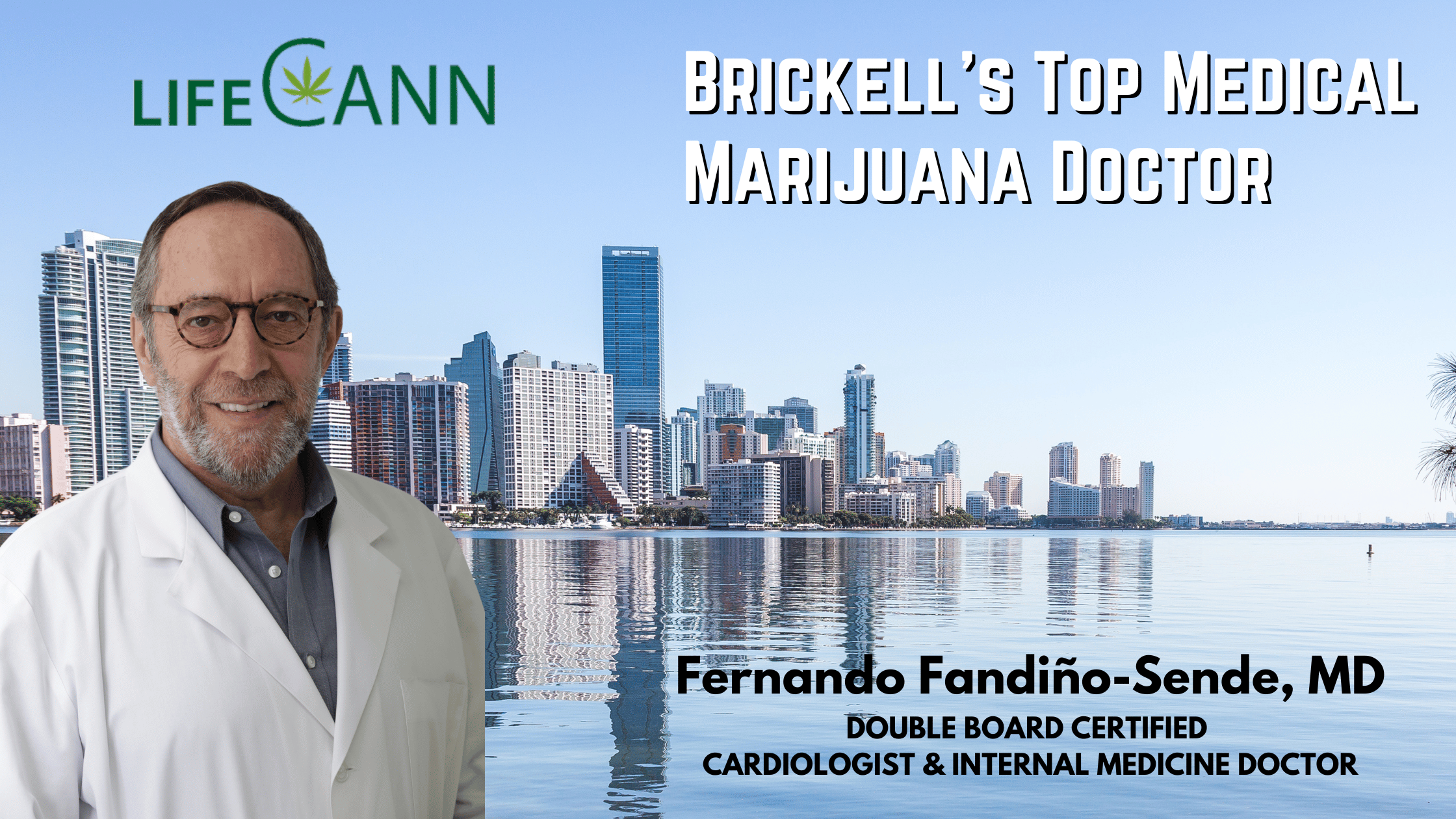
Dr. Fernando Fandiño-Sende at LifeCannMD brings double board certification in cardiology and internal medicine to cachexia consultations—critical expertise given that many cachexia patients have serious underlying cardiovascular conditions.
Getting Your Florida Medical Marijuana Card
Once you have a physician recommendation, follow the application process:
- Register with the Florida Department of Health
- Submit your physician recommendation and documentation
- Pay the $75 registration fee
- Receive your Medical Marijuana Use Registry (MMUR) card
- Purchase from licensed Florida dispensaries
FAQ: Common Questions About Cachexia and Medical Marijuana
Will medical marijuana cure my cachexia?
No. Medical marijuana cannot cure cachexia—no medication can. Cachexia is a complex metabolic condition without a cure. However, cannabis can significantly improve symptoms (appetite, nausea, pain, mood) and quality of life.
Is medical marijuana better than dronabinol (Marinol)?
Clinical trials comparing cannabis extracts with Marinol in the treatment of cancer cachexia have demonstrated equal efficacy and well-being among subjects in the two treatment arms. Some patients prefer whole-plant cannabis; others prefer the predictable dosing of pharmaceutical dronabinol. Discussion with your doctor will determine the best choice for you.
How quickly will cannabis improve my appetite?
Effects vary by individual and delivery method. Smoked or vaporized cannabis acts within minutes; edibles and tinctures take 30 minutes to 2 hours. Many patients report noticeable appetite improvement within days of starting treatment.
Can I use medical marijuana if I’m undergoing chemotherapy?
Often yes, but careful coordination is essential. Cannabis can help with chemotherapy-induced nausea and vomiting, but drug interactions must be evaluated. Always inform your oncology team about cannabis use.
Will cannabis interact with my other medications?
Possibly. Cannabis can interact with many medications, particularly blood thinners, heart medications, and sedatives. A comprehensive medication review with your cannabis medicine doctor is essential before starting.
What are the side effects of cannabis for cachexia?
Most cachexia patients tolerate cannabis well. Potential side effects include:
- Mild dizziness or lightheadedness
- Dry mouth
- Fatigue (generally helpful for sleep, but may be problematic if excessive)
- Mild mood changes
- Appetite stimulation paradoxically may cause mild nausea initially (temporary)
Important: Side effects are usually minimal and manageable, especially compared to benefits.
Can I use cannabis if I have advanced cancer or other serious illness?
Yes, cannabis is often most beneficial for seriously ill patients. Because cachexia predominantly affects those with severe underlying conditions, cancer and AIDS patients represent the primary population for whom cannabis is most beneficial.
How long will my medical marijuana card last?
Your Florida MMUR card is valid for one year. You’ll need to recertify annually by seeing a physician again. Recertification is typically quick and straightforward.
Addressing the Evidence Gap: What We Still Need to Know
Why Isn’t More Research Available?
Despite decades of anecdotal evidence and clinical experience, medical cannabis for cachexia remains under-studied compared to some other conditions. Reasons include:
- Federal prohibition limiting cannabis research
- Pharmaceutical industry focus on patentable synthetic versions (dronabinol) rather than whole-plant medicine
- Complexity of cachexia making research difficult to design and interpret
- Historical medical dismissal of cannabis as medicine
What Would Better Evidence Look Like?
Ideal future research would include:
- Large randomized controlled trials comparing cannabis to standard cachexia treatments
- Dose-ranging studies to identify optimal cannabinoid ratios and amounts
- Long-term studies tracking weight, muscle mass, and quality of life
- Research on specific cancer types (lung vs. pancreatic vs. colorectal cachexia may respond differently)
- Studies examining cannabis in combination with conventional treatments
- Investigation of whether cannabis extends survival in cachexia patients
A Compassionate Option for a Devastating Condition
Cachexia represents one of the cruelest aspects of serious illness. Patients lose the ability to eat and gain weight, experiencing profound physical decline despite adequate nutrition. The psychological impact—watching one’s body waste away—is devastating.
Yet conventional medicine offers limited solutions. This is precisely why medical marijuana deserves serious consideration.
The evidence is not perfect—we need more research. But it’s compelling enough that the FDA approved dronabinol for cachexia, that the Institute of Medicine recognized cannabis’s promise, and that patients with cachexia-causing conditions consistently report significant benefit.
For patients and families facing cachexia, medical marijuana represents a legitimate, evidence-informed treatment option worth discussing with your healthcare team.
Schedule Your Cachexia Consultation with a Board-Certified Cannabis Doctor
If you or a loved one is struggling with cachexia, loss of appetite, or wasting syndrome related to cancer, AIDS, or another serious illness, medical marijuana may offer meaningful relief.
Dr. Fernando Fandiño-Sende at LifeCannMD provides comprehensive consultations for patients with cachexia and other serious conditions, bringing both medical expertise and compassionate understanding to this difficult situation.
LifeCannMD: Compassionate Cannabis Medicine for Serious Illness
- Location: Miami, Florida
- Specialist: Dr. Fernando Fandiño-Sende, MD
- Credentials: Double Board-Certified Cardiologist & Internal Medicine Specialist
- Focus: Medical cannabis for cachexia, serious illness, and complex patients
- Approach: Thoughtful evaluation, compassionate care, realistic expectations
Schedule your consultation today
For patients with cachexia, quality of life matters. If medical marijuana can improve appetite, reduce nausea, manage pain, and enhance overall well-being, it deserves consideration as part of a comprehensive treatment approach.