As a medical marijuana doctor practicing in Miami, I’ve witnessed firsthand the transformative impact that cannabis can have on patients struggling with chronic pain. At LifeCannMD, we stay at the forefront of emerging research, and recent studies continue to validate what many of our patients have experienced: medical cannabis offers a promising alternative for pain management.
The Evolution of Cannabis Research in Pain Medicine
The landscape of pain management has shifted dramatically over the past decade. With the opioid crisis claiming thousands of lives annually, medical professionals are actively seeking safer alternatives for chronic pain treatment. Medical cannabis has emerged as a viable option, and the growing body of scientific evidence supports its therapeutic potential.
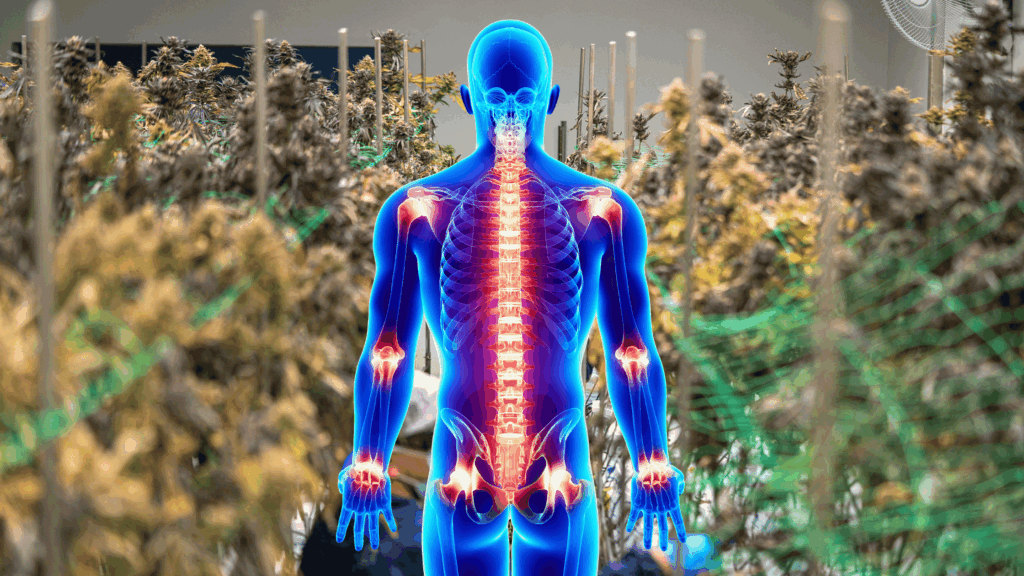
Recent clinical trials have demonstrated that cannabis compounds, particularly cannabidiol (CBD) and tetrahydrocannabinol (THC), interact with the body’s endocannabinoid system to modulate pain perception. This natural system plays a crucial role in regulating pain, inflammation, and immune response, making cannabis a logical therapeutic intervention for conditions ranging from chronic pain to endometriosis.
Understanding How Cannabis Works for Pain Relief
The endocannabinoid system contains receptors throughout the body, including the nervous system, immune cells, and various organs. When cannabis compounds bind to these receptors, they can reduce inflammatory responses and alter pain signal transmission to the brain.
THC, the primary psychoactive component in cannabis, binds directly to CB1 receptors in the central nervous system, providing relief from neuropathic pain and reducing pain intensity. CBD works through multiple pathways, offering anti-inflammatory benefits without psychoactive effects, making it particularly attractive for patients seeking pain relief without impairment. Understanding proper marijuana dosing recommendations is essential for maximizing these therapeutic benefits.
Breakthrough Studies in Cannabis Pain Management
Recent research from major medical institutions has provided compelling evidence for cannabis efficacy in treating various pain conditions. A groundbreaking 2025 Yale study showed that cannabinoids CBD, CBG, and CBN reduced the activity of a protein central to pain signaling in the peripheral nervous system. Even organizations like the NFL are now funding cannabis research for pain relief, recognizing its potential as a safer alternative to opioids. Studies have shown particular promise for:
Neuropathic pain: Multiple randomized controlled trials have demonstrated that medical cannabis significantly reduces nerve pain associated with conditions like diabetic neuropathy, HIV-related neuropathy, and post-surgical nerve damage.
Chronic pain conditions: A major 2025 Phase 3 clinical trial published in Nature Medicine found that patients with chronic lower back pain who received cannabis extracts demonstrated significant improvements in pain intensity, sleep quality, physical function, and overall quality of life. Learn more about pain management and medical marijuana approaches.
Cancer-related pain: Emerging data suggests that cannabis can complement traditional pain medications, potentially reducing opioid requirements while improving quality of life for oncology patients.
Migraine and headache disorders: Preliminary studies show that regular cannabis use may reduce migraine frequency and severity in chronic sufferers.
The Opioid-Sparing Effect
One of the most significant findings in recent cannabis research is the opioid-sparing effect. A comprehensive systematic review and meta-analysis found that preclinical studies demonstrated morphine doses could be reduced 3.5 times when co-administered with delta-9-THC. Multiple studies have documented that patients using medical marijuanafor chronic pain management often reduce their opioid consumption substantially, with some eliminating opioids entirely.
This is particularly important given the risks associated with long-term opioid therapy, including dependence, tolerance, and overdose. In states with medical marijuana programs, researchers have observed correlations between cannabis access and reduced opioid prescribing rates, as well as lower opioid-related mortality.
At LifeCannMD, we’ve seen countless patients successfully transition from high-dose opioid regimens to cannabis-based pain management protocols, reclaiming their quality of life without the concerning side effects of traditional pain medications.
Personalized Cannabis Treatment Approaches
What makes medical cannabis particularly valuable in pain management is the ability to personalize treatment. As a board-certified cannabis doctor in Miami with condition-specific dosage expertise, I work closely with each patient to develop individualized treatment protocols. Unlike one-size-fits-all pharmaceutical approaches, cannabis therapy can be tailored to individual patient needs through careful selection of:
Cannabinoid ratios: Different conditions respond to different CBD-to-THC ratios. Some patients benefit from high-CBD, low-THC formulations, while others require balanced ratios or higher THC concentrations. For some patients, concentrated options like Rick Simpson Oil (RSO) may be appropriate.
Delivery methods: Inhalation provides rapid onset for acute pain episodes, while oral formulations offer sustained relief for chronic conditions. Topical applications work well for localized pain and inflammation. Patients can explore various products at Florida marijuana dispensaries.
Dosing schedules: Research on cannabinoid dosing shows that combinations of THC and CBD at specific daily doses can be associated with significant reductions in opioid use. Microdosing approaches allow patients to maintain functionality while managing pain throughout the day, while evening doses can address sleep disturbances related to chronic pain.
Safety Profile and Considerations
Research consistently demonstrates that cannabis has a favorable safety profile compared to many conventional pain medications. There are no documented cases of fatal cannabis overdose, and the side effect profile is generally mild and manageable.
However, as with any medical intervention, cannabis treatment requires professional oversight. At our Miami practice, we conduct thorough evaluations to ensure cannabis is appropriate for each patient’s condition and health history. Understanding Florida medical marijuana laws is crucial for patients beginning their treatment journey. We also monitor for potential drug interactions and provide guidance on safe, effective use.
Common side effects like dry mouth, dizziness, or temporary cognitive changes can typically be managed through dosage adjustments and proper strain selection. Our goal is to maximize therapeutic benefits while minimizing any unwanted effects.
The Future of Cannabis in Pain Management
The trajectory of cannabis research is promising. Ongoing clinical trials are investigating specific cannabinoids like CBG, which shows the strongest potential to provide effective pain relief without the risks associated with traditional treatments. The future of medical marijuana holds promising developments that will continue to expand treatment options. Pharmaceutical companies are developing standardized cannabis-based medications, while researchers explore the entourage effect—how multiple cannabis compounds work synergistically to enhance therapeutic outcomes.
As medical marijuana doctors, we’re also seeing innovations in delivery technologies that improve bioavailability and consistency. From nanoemulsion formulations to advanced transdermal patches, these developments will continue to enhance treatment precision and patient outcomes.
Real-World Evidence and Clinical Validation
Recent reporting from NPR highlights how new European studies are validating what pain patients have long reported: cannabis can be remarkably effective for back pain, even outperforming opioids in terms of pain relief and sleep quality. The most comprehensive systematic review to date, updated in 2024 by the Agency for Healthcare Research and Quality, continues to evaluate the expanding body of evidence supporting cannabis for chronic pain management.
Taking the Next Step
If you’re struggling with chronic pain and conventional treatments haven’t provided adequate relief, medical cannabis may offer a path forward. The expanding research base from multiple systematic reviews provides evidence for cannabis efficacy across multiple pain conditions, and the safety profile makes it an attractive option for long-term management.
At LifeCannMD in Miami, we specialize in evaluating patients for medical marijuana certification and developing individualized cannabis treatment plans. As Coral Gables and Miami’s top medical marijuana doctor serving all of South Florida, I’m committed to helping patients navigate the process of obtaining a Florida medical marijuana card in 2025. Our approach combines the latest research evidence with clinical experience to help patients achieve optimal pain relief and improved quality of life.
Chronic pain doesn’t have to control your life. With proper medical guidance and the right cannabis therapy protocol, many patients discover significant relief and renewed hope. Contact our office to schedule a consultation and learn whether medical marijuana might be the solution you’ve been seeking.
Dr. Fernando Fandiño-Sende is a board-certified physician specializing in medical cannabis therapy at LifeCannMD in Miami, Florida. With years of experience helping patients access safe, effective cannabis treatments, Dr. Fandiño-Sende is committed to evidence-based medicine and personalized patient care.