Expert Women’s Health Information from Dr. Fernando Fandiño-Sende, Double Board-Certified Physician
Introduction: Menopause, Hormonal Change, and Natural Relief Options
Menopause is a natural biological transition that marks the end of reproductive years for women, typically occurring between ages 45 and 55. While this life stage is entirely normal, the hormonal changes that accompany it—particularly the decline in estrogen—can trigger a complex array of physical and emotional symptoms that significantly impact quality of life.
Hot flashes, night sweats, mood swings, sleep disruption, vaginal dryness, joint pain, brain fog, and loss of libido are just some of the symptoms women navigate during perimenopause and menopause. For many women, these symptoms persist for years, affecting work performance, relationships, and overall wellbeing.
As more women explore alternatives to traditional hormone replacement therapy, medical cannabis and cannabinoids have emerged as a promising option for symptom management. Recent surveys indicate that approximately 27% of women are using or considering cannabis products to manage menopause symptoms, yet clinical guidance remains limited.
This comprehensive guide explores how cannabis, CBD, and THC work for menopause symptoms, what the research shows, and how to consult with a cannabis medicine specialist in Miami about whether medical cannabis is appropriate for your menopause journey.
Understanding Menopause: Symptoms and Current Treatments
The Menopause Transition
Menopause involves three distinct phases:
Perimenopause (typically ages 40-55): The transition period lasting 4-10 years before the final menstrual period. During this phase, hormone fluctuations are often most pronounced and symptoms can be most severe. Perimenopausal women report more significant vasomotor symptoms (hot flashes and night sweats) and psychological symptoms (anxiety and mood swings) compared to postmenopausal women.
Menopause: Marked by 12 consecutive months without menstruation. Hormone levels stabilize at lower levels.
Postmenopause: The years following menopause. While some symptoms diminish, others (like joint pain, sexual dysfunction, and mood changes) can persist.
Common Menopause Symptoms
Estrogen decline triggers symptoms affecting multiple body systems:
Vasomotor Symptoms (Temperature Regulation)
- Hot flashes: Sudden feelings of intense warmth, often with flushing, sweating, and rapid heartbeat
- Night sweats: Drenching perspiration disrupting sleep
- Chills and temperature sensitivity
Sleep Disturbances
- Insomnia and difficulty falling asleep
- Frequent nighttime awakenings
- Non-restorative sleep
Mood and Cognitive Changes
- Mood swings and irritability
- Anxiety and panic symptoms
- Depression
- Brain fog and memory difficulties
- Difficulty concentrating
Physical Symptoms
- Joint and muscle aches
- Headaches
- Fatigue and low energy
- Weight gain and metabolic slowdown
Sexual and Urogenital Changes
- Vaginal dryness and painful intercourse
- Loss of libido
- Urinary incontinence
Other Symptoms
- Heart palpitations
- Dizziness
- Skin tingling sensations
Current Treatment Options
Hormone Replacement Therapy (HRT) The gold standard evidence-based treatment, HRT effectively addresses vasomotor symptoms, sleep disruption, mood symptoms, and vaginal symptoms by replacing declining estrogen. However, HRT isn’t appropriate for all women due to contraindications or personal preference.
Non-Hormonal Pharmaceuticals
- SSRIs and SNRIs for hot flashes and mood symptoms
- Gabapentin for vasomotor symptoms
- Vaginal estrogen for localized symptoms
Lifestyle Modifications
- Regular exercise
- Stress reduction and mindfulness
- Dietary adjustments
- Sleep hygiene optimization
Natural and Complementary Approaches
- Herbal supplements (black cohosh, red clover)
- Acupuncture
- Medical cannabis and CBD
The Endocannabinoid System and Women’s Health
How the Endocannabinoid System Works
To understand how cannabis affects menopause symptoms, we must first explore the endocannabinoid system (ECS)—a complex cell-signaling network throughout the body that regulates sleep, mood, pain sensation, appetite, immune function, and inflammation.
The ECS consists of three main components:
Endocannabinoids: Naturally occurring compounds produced by the body (anandamide and 2-arachidonoyl glycerol)
Cannabinoid Receptors: Two primary types—CB1 (primarily in the brain and nervous system) and CB2 (primarily in the immune system)
Enzymes: That synthesize and degrade endocannabinoids
This system maintains homeostasis—the body’s stable internal environment—by modulating nearly every physiological process.
Estrogen and the Endocannabinoid System Connection
Recent neuroscience research reveals a critical connection between estrogen and the endocannabinoid system. Estrogen deficiency during menopause results in downregulation of critical ECS systems, which contributes to multiple menopause symptoms.
Research has shown that:
- Anandamide (an endogenous cannabinoid) treatment reverses ECS downregulation in models of estrogen deficiency
- Estrogen normally supports robust ECS signaling
- Loss of estrogen compromises the body’s ability to maintain temperature regulation, mood balance, and sleep stability through the ECS
This biological understanding explains why cannabis and cannabinoids may be particularly relevant for menopause—they provide external support to a dysregulated endocannabinoid system when estrogen levels decline.
CBD vs. THC: Understanding the Key Cannabinoids for Menopause
What is CBD (Cannabidiol)?
CBD is a non-psychoactive cannabinoid found in cannabis. Unlike THC, CBD does not produce a “high” or intoxication. According to the World Health Organization, CBD:
- Is nonintoxicating
- Lacks rewarding effects
- Does not cause tolerance or withdrawal
- Has lower potential for abuse
CBD exerts its effects by interacting with the endocannabinoid system and other cellular pathways, potentially modulating processes related to inflammation, pain perception, mood regulation, and sleep—all areas significantly affected during menopause.
What is THC (Tetrahydrocannabinol)?
THC is the primary psychoactive component of cannabis—the compound responsible for the “high” associated with marijuana use. THC binds directly to CB1 and CB2 cannabinoid receptors throughout the body and brain.
Research suggests THC displays biphasic, dose-dependent effects, particularly for anxiety:
- Lower doses: Associated with anxiolytic (anti-anxiety) effects
- Higher doses: Can paradoxically increase anxiety
CBD vs. THC for Menopause: Key Differences
| Aspect | CBD | THC |
| Psychoactive | No | Yes |
| Legal Status | Legal in most states | Schedule I federally; varies by state |
| Best For | Sleep, anxiety, pain, inflammation | Pain, appetite, nausea, mood enhancement |
| Side Effects | Minimal; well-tolerated | Impaired cognition, anxiety at high doses |
| Dosing | Flexible; less critical | Dose-dependent; requires careful titration |
| Stigma | Lower; supplement-like | Higher; more controlled substance perception |
| Onset | Variable by delivery method | Faster (smoking/vaping); longer (edibles) |
Full-Spectrum vs. Broad-Spectrum vs. Isolate
The composition of cannabis products significantly impacts efficacy and effects:
Full-Spectrum: Contains CBD, THC, and other cannabinoids, terpenes, and flavonoids. The diverse compound profile may produce synergistic “entourage effects” resulting in therapeutic benefits at lower doses with fewer side effects. May contain trace THC (typically 0.3% or less).
Broad-Spectrum: Contains CBD and other beneficial compounds (terpenes, other cannabinoids) but with THC removed or minimized. Provides entourage benefits without psychoactive effects.
Isolate: Pure CBD or other single cannabinoid with no other cannabis compounds. Offers consistency and precision dosing but may lack synergistic benefits.
Cannabis and Menopause Symptoms: What the Research Shows
Sleep Disturbance
Sleep disruption is the most common menopause-related reason women use medical cannabis, reported by 67.4% of users in recent surveys.
Research Findings: A retrospective case series from The Permanente Journal examined CBD for anxiety and sleep complaints in 103 adult patients. The results were encouraging:
- Approximately 80% of participants reported reduced anxiety in the first month
- Two-thirds reported improved sleep quality after the first month
Another review of sleep and cannabis literature found that certain products—particularly higher-dose CBD, low doses of THC, and certain regulated THC/CBD medicines—show short-term promise for sleep. However, the benefits are inconsistent, and long-term safety and effectiveness remain understudied.
Clinical Bottom Line: CBD appears most effective for sleep when combined with low-dose THC or as part of a full-spectrum product. Talk to a Miami cannabis doctor about sleep solutions when menopause disrupts rest.
Mood, Anxiety, and Psychological Symptoms
Mood and anxiety symptoms are reported by 46.1% of women using medical cannabis for menopause, making this the second most common application.
Research Findings: A study of cannabis-naive patients with anxiety treated with a high-CBD, full-spectrum oil demonstrated:
- Significant anxiety reduction after just one week of treatment
- Maintained symptom reduction with few side effects at four weeks
The mechanism appears to involve CBD’s interaction with serotonin receptors and its ability to activate the prefrontal cortex (the brain’s decision-making region), which “dims” the reactive anxiety response.
Important Caution: Some research suggests that cannabis, especially THC-containing products, can induce or worsen depression or psychosis in vulnerable individuals. Careful dose titration and medical supervision are essential.
Clinical Bottom Line: Lower-dose CBD-dominant products appear safest for anxiety management during menopause. THC should be approached cautiously and at low doses, with careful monitoring.
Hot Flashes and Night Sweats (Vasomotor Symptoms)
Despite being the hallmark menopause symptom, vasomotor symptom research with cannabis is surprisingly limited.
Research Status: The Menopause Society, after reviewing available evidence, determined: “Based on the lack of available evidence, cannabinoids cannot be recommended for treatment of vasomotor symptoms.”
Only a few clinical trials have examined cannabis for hot flashes, with inconclusive results. This represents a significant gap in the research literature.
Proposed Mechanisms: However, researchers have identified plausible mechanisms:
- THC binds to CB1 receptors in the hypothalamus (the brain region regulating body temperature), potentially supporting temperature regulation
- THC affects peripheral blood vessel dilation, potentially facilitating heat loss
- Anti-inflammatory effects of cannabinoids may support thermal stability
Patient Expectations: In a survey of 115 menopausal women with lifetime cannabis use, women expected cannabis to improve hot flashes. Whether these expectations translate to objective symptom improvement requires rigorous clinical trials.
Clinical Bottom Line: While women report subjective relief, there is insufficient evidence to recommend cannabis specifically for vasomotor symptoms. Medical supervision is important to assess individual response.
Pain and Joint Symptoms
Joint and muscle pain affects many perimenopausal women due to declining estrogen and age-related changes in the nervous system.
Research Findings: A 2024 Yale study identified three cannabinoids with promise for chronic pain management without psychoactive effects:
- CBD (Cannabidiol)
- CBG (Cannabigerol)
- CBN (Cannabinol)
These compounds reduce the activity of proteins central to pain signaling in the peripheral nervous system, potentially offering alternatives to opioids.
Another study by Northwell Health examined CBD for joint pain from various causes:
- Over 80% reported reduced pain
- Two-thirds experienced better physical function
- Improved sleep quality (likely due to reduced pain-related sleep disruption)
- Overall 44% decrease in pain levels
Both THC and CBD have analgesic (pain-relieving) properties, with CBD particularly effective for inflammatory pain and THC more effective for neuropathic pain.
Clinical Bottom Line: CBD appears effective for pain management related to menopause, particularly when combined with low-dose THC or alongside other pain management strategies.
Sexual Function and Libido
Loss of libido affects a significant portion of menopausal women due to hormonal changes, vaginal dryness, and psychological factors.
Research and Clinical Observations: Cannabis research suggests potential benefits through multiple mechanisms:
- Vasodilation: Cannabis dilates blood vessels, improving blood flow to sexual organs and enhancing arousal
- Anxiolysis: Reducing anxiety and performance pressure facilitates sexual interest
- Mood Enhancement: THC and CBD improve mood and confidence, supporting sexual interest
The activation of specific brain regions involved in sexual arousal by cannabis may increase sex drive and help regulate libido in menopausal women.
Limitations: Research in this area is sparse, and most evidence comes from observational reports rather than controlled trials.
Clinical Bottom Line: Some women report improved sexual function and interest with appropriately dosed cannabis products, particularly those containing both CBD and low-dose THC.
Summary of Research Evidence
| Symptom | Evidence Level | CBD | THC | Notes |
| Sleep | Good | Strong | Moderate | 80% showed improvement in small studies |
| Anxiety/Mood | Good | Strong | Caution | Requires dose titration; monitor for worsening |
| Hot Flashes | Poor | Unknown | Unknown | Insufficient clinical trials |
| Pain/Joints | Good | Strong | Strong | 80%+ pain reduction reported |
| Sexual Function | Fair | Theoretical | Probable | Limited research; mainly observational |
| Brain Fog | Poor | Unknown | Unknown | Anecdotal reports; needs research |
How to Use Cannabis and CBD for Menopause: Practical Guidance
Delivery Methods
Different methods of cannabis delivery offer different onset times, duration, and intensity of effects:
Smoking:
- Onset: 5-15 minutes
- Duration: 2-4 hours
- Pros: Rapid symptom relief
- Cons: Respiratory exposure; less precise dosing
Vaping:
- Onset: 5-15 minutes
- Duration: 2-4 hours
- Pros: Faster than smoking; potentially less respiratory impact
- Cons: Still inhalation-based; fewer long-term safety studies
Edibles (Gummies, Tinctures, Oils):
- Onset: 30-120 minutes (variable absorption)
- Duration: 4-8 hours (longer than smoking)
- Pros: Longer-lasting relief; precise dosing; no inhalation
- Cons: Delayed onset; can lead to overconsumption; variable absorption
Topicals (Creams, Patches):
- Onset: 15-60 minutes
- Duration: 4-8 hours
- Pros: Localized relief; minimal systemic absorption
- Cons: Limited efficacy for whole-body symptoms
Sublingual (Tinctures under the tongue):
- Onset: 15-30 minutes
- Duration: 4-6 hours
- Pros: Faster than edibles; discreet; precise dosing
- Cons: May taste unpleasant
Dosing Considerations
Start Low, Go Slow: This principle is essential for menopause symptom management.
- Begin with the lowest available dose
- Wait at least 2-3 days before increasing
- Gradually increase based on symptom response and side effects
- Keep a symptom journal to track effects
Individual Variation: Cannabis response varies tremendously among women based on:
- Genetics (particularly FAAH and CNR1 gene variations)
- Metabolism
- Body weight
- Prior cannabis experience
- Specific menopause symptoms being addressed
Timing Matters:
- For sleep: Take 1-2 hours before bedtime
- For anxiety: Dose as needed or take preventatively before known trigger times
- For pain: Adjust timing based on when pain typically peaks
CBD-Specific Dosing: Most studies showing CBD benefits used doses ranging from 150mg to 600mg daily. Higher doses (up to 20mg/kg body weight) have been used in clinical research.
Cannabis Use in Midlife Women: What the Survey Data Shows
Harvard-Led Menopause Survey
A comprehensive survey of women’s cannabis use during perimenopause and postmenopause revealed:
- 86.1% of survey participants reported current cannabis use
- 78.7% endorsed using cannabis specifically for menopause-related symptoms
- 84.3% reported smoking cannabis
- 78.3% consumed edibles
- 52.7% used vaping oils
Top Menopause Symptoms Addressed
The survey found women most commonly use cannabis for:
- Sleep disturbance (67.4%)
- Mood/anxiety (46.1%)
- Pain and physical symptoms
- Vasomotor symptoms
- Sexual dysfunction
Demographic Patterns
The research found:
- Perimenopausal women reported significantly worse menopause symptoms than postmenopausal women on both vasomotor and psychological measures
- Anxiety burden was significantly higher in perimenopausal participants
- Women with severe hot flashes and anxiety symptoms were more likely to use cannabis
- Cannabis use was associated with few signs of problematic use, even after one year of treatment
Long-Term Safety Questions
While the short-term tolerance appears good, Harvard experts note important gaps:
- No long-term studies exist of midlife women using cannabis for 10+ years (the typical duration of menopause symptoms)
- Unknown effects on memory, cognitive function, and lung health
- Need for further research on safety and effectiveness in this population
Consulting with a Cannabis Medicine Specialist: Why Medical Supervision Matters
Why Dr. Fernando Fandiño-Sende’s Approach is Different
While many physicians dismiss cannabis for menopause due to limited evidence, others recognize the growing use and patient interest in this option. A qualified cannabis medicine specialist provides essential clinical oversight.
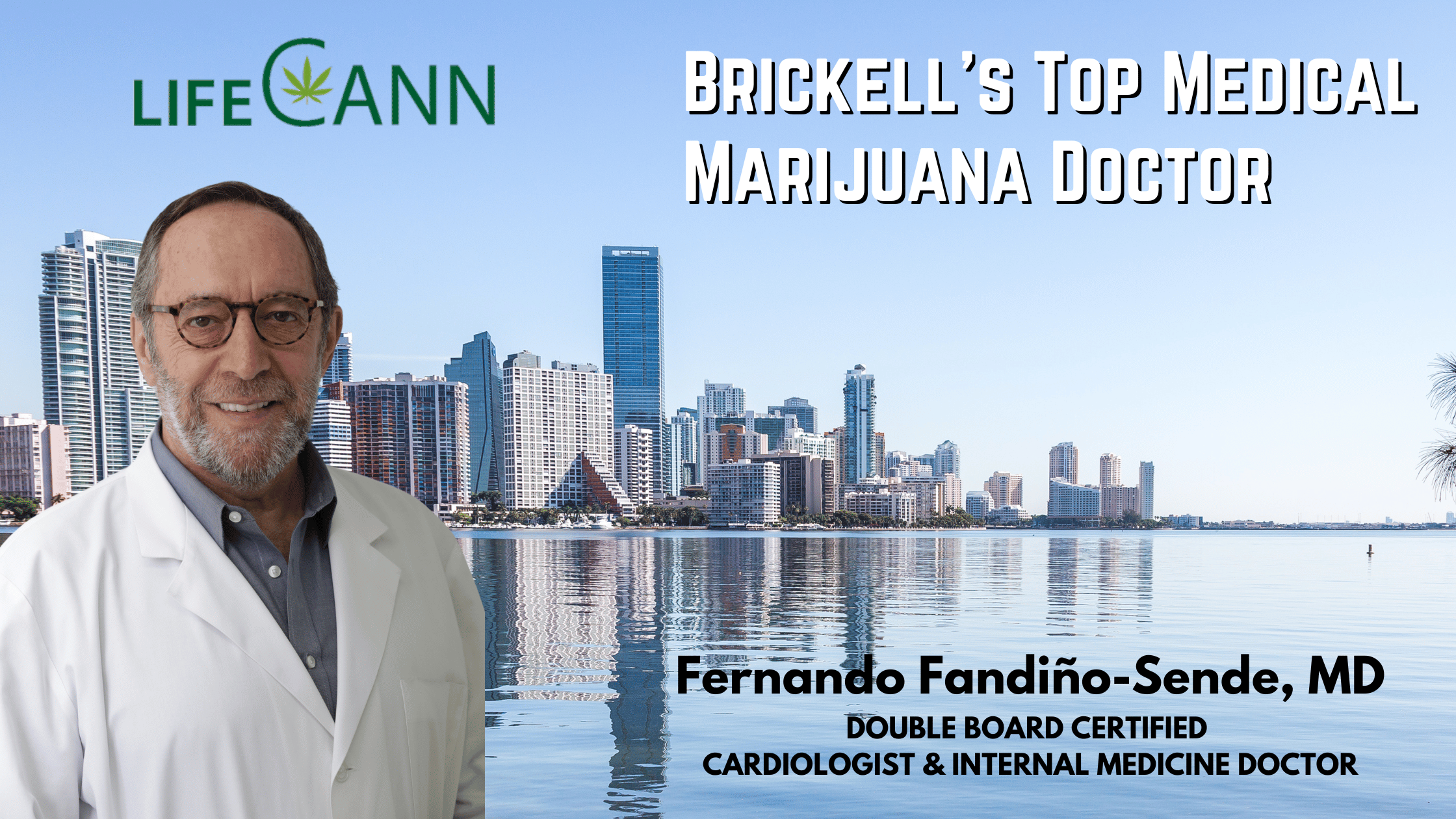
Dr. Fernando Fandiño-Sende, with dual board certification in Cardiology and Internal Medicine, brings unique expertise to women’s health cannabis consultation:
Cardiovascular Expertise: Many menopausal women have cardiovascular concerns or risk factors. Cannabis can affect heart rate and blood pressure. Dr. Fandiño-Sende’s cardiology background ensures safety assessment.
Systemic Health Assessment: Menopause affects the entire body. A comprehensive internal medicine perspective ensures cannabis recommendations integrate with your complete health picture.
Medication Interaction Analysis: Menopausal women often take multiple medications. Careful review of potential cannabis-medication interactions is essential.
Condition-Specific Guidance: Rather than generic advice, recommendations are tailored to your specific menopause symptoms, severity, and personal preferences.
Ongoing Monitoring: Periodic follow-up ensures continued effectiveness and safety, with dose adjustments as needed.
What to Expect in a Consultation
Initial Assessment:
- Complete menopause symptom history
- Severity of each symptom and impact on quality of life
- Prior treatment responses
- Complete medication list
- Medical history, particularly cardiovascular health
- Substance use history
- Psychological history
Education:
- Explanation of cannabinoid options (CBD vs. THC vs. combinations)
- Discussion of evidence base for your specific symptoms
- Realistic expectations regarding symptom improvement
- Potential side effects and monitoring
Personalized Recommendations:
- Specific cannabinoid profile recommendation (CBD-dominant, THC-containing, or hybrid)
- Suggested delivery method based on your symptoms and preferences
- Initial dosing recommendations
- Monitoring parameters and symptom tracking
Ongoing Support:
- Follow-up appointments to assess response
- Dose adjustments based on symptom response
- Integration with other menopause treatments as needed
- Long-term monitoring for safety and efficacy
Special Considerations for Women in Miami
Florida’s Medical Marijuana Program
Florida has one of the most accessible medical marijuana programs in the United States for women with qualifying conditions, including those with chronic pain, anxiety, and other menopause-related symptoms.
To access medical marijuana in Florida:
- Consult a Florida cannabis medicine physician who can evaluate whether medical cannabis is appropriate for your condition
- Obtain a physician recommendation for medical marijuana
- Apply for a Florida Medical Marijuana Card through the state Department of Health
- Purchase from licensed dispensaries throughout Florida
Quality and Product Selection
Florida’s regulated dispensary system offers significant advantages:
Third-Party Testing: Licensed products are tested for:
- Accurate cannabinoid content (CBD and THC levels)
- Contaminants (pesticides, heavy metals, microbial pathogens)
- Potency verification
Consistent Quality: Unlike non-regulated products, Florida medical marijuana meets state standards for cultivation, processing, and labeling.
Diverse Product Selection: From tinctures to edibles to topicals, women have many options to find what works for their specific symptoms.
Choosing a Cannabis Doctor in Miami
When selecting a cannabis medicine doctor in Miami, consider:
- Board Certification: Look for physicians certified in relevant specialties
- Experience with Women’s Health: Menopause-specific expertise is valuable
- Communication Style: You want a doctor who listens, educates, and partners with you
- Comprehensive Approach: Does the doctor consider your complete health picture?
- Ongoing Support: Will they monitor your treatment and adjust as needed?
LifeCannMD’s approach at our Miami cannabis medicine center emphasizes education, individualization, and evidence-based recommendations for women’s health conditions.
Important Safety Considerations and Limitations
What We Don’t Know
Despite growing women’s use of cannabis for menopause, significant knowledge gaps remain:
Long-Term Effects:
- No studies have followed midlife women using cannabis for menopause for 10+ years
- Unknown long-term effects on cognitive function, memory, and brain health
- Limited data on effects of long-term cannabis use on lung health in middle-aged and older women
Efficacy Evidence:
- Only a few clinical trials have examined cannabis for menopause symptoms
- Most evidence comes from surveys of women’s self-reported use rather than controlled studies
- Research on hot flashes specifically is particularly sparse
Optimal Dosing and Product Characteristics:
- Which cannabinoid ratios are most effective for different symptoms remains unclear
- Optimal dosing ranges for midlife women haven’t been established
- Minimal research on strain selection and terpene profiles for menopause symptoms
Potential Risks and Concerns
Cognitive Effects:
- THC can temporarily impair memory and attention
- Unclear if this affects older women differently than younger users
- Important for women who need to work or perform safety-sensitive tasks
Mental Health:
- Cannabis with high THC can induce or worsen depression, anxiety, or psychosis in vulnerable individuals
- Careful dose titration and monitoring essential
- Women with history of anxiety or mood disorders need extra caution
Drug Interactions:
- Cannabis can interact with many medications, particularly blood thinners and sedatives
- Always inform your healthcare providers about cannabis use
Impairment:
- Cannabis impairs reaction time and cognition, particularly after smoking or higher-dose consumption
- Women should not drive or operate machinery while impaired
When Cannabis May NOT Be Appropriate
Medical cannabis is not suitable for:
- Women with a personal or family history of cannabis use disorder
- Those with active psychiatric conditions (psychosis, bipolar disorder)
- Pregnant or breastfeeding women
- Women taking medications with significant interactions
- Those with respiratory conditions if choosing smoking/vaping
FAQ: Common Questions About Cannabis and Menopause
Is medical marijuana legal for menopause in Florida?
Florida’s medical marijuana program is available for conditions including chronic pain, anxiety, and other symptoms that can be associated with menopause. While menopause itself isn’t a specific qualifying condition, the symptoms it causes (chronic pain, anxiety, sleep disorders) may qualify. Consult with a Florida cannabis physician to determine eligibility for your specific situation.
Will cannabis interact with hormone replacement therapy?
There are no known direct interactions between cannabis and standard hormone replacement therapy. However, as always, inform all your healthcare providers about any cannabis use. Some women use cannabis to supplement or eventually reduce their reliance on HRT, though this should only be done under medical guidance.
Can I use CBD while taking other menopause medications?
CBD can interact with several medications, particularly:
- Blood thinners (warfarin, apixaban)
- Heart medications
- Sedatives and sleep aids
- Antidepressants
Always discuss cannabis use with all your physicians to ensure safe interactions.
How quickly will I feel effects?
This depends on your delivery method:
- Smoking/vaping: 5-15 minutes
- Sublingual tinctures: 15-30 minutes
- Edibles: 30-120 minutes (variable)
- Topicals: 15-60 minutes for localized symptoms
For systemic benefits like improved sleep, you may need 5-7 days of regular use to notice significant improvement.
Will cannabis show up on a drug test?
Full-spectrum CBD products and any THC-containing products can trigger positive results on standard drug tests that detect THC metabolites. If drug testing is a concern (employment, legal, etc.), use CBD isolate or broad-spectrum products with THC removed. Always disclose cannabis use to employers and legal entities as required.
What’s the difference between hemp-derived and marijuana-derived CBD?
Hemp-derived CBD: Sourced from the hemp plant (Cannabis sativa L.) with less than 0.3% THC federally. Often purchased as dietary supplements without a physician recommendation. Quality varies significantly; not all products are accurately labeled.
Marijuana-derived CBD: Sourced from the cannabis plant as part of the medical marijuana program. Regulated by the state, tested for quality and potency, and requires a physician recommendation.
For menopause symptom management, medical marijuana-derived CBD is generally preferable due to quality assurance and professional medical oversight.
Can I use cannabis while having hot flashes?
Some women report subjective relief from hot flashes with cannabis use, though clinical evidence is limited. The timing and type of cannabis matter:
- For night sweats: Evening dose of CBD or low-THC product
- For daytime hot flashes: Low-dose microdosing of CBD or THC might help
Microdosing cannabis in Miami is an increasingly popular approach for precise symptom management with minimal impairment.
Should I smoke, vape, or use edibles for menopause symptoms?
This depends on your specific symptoms:
- Sleep issues: Edibles offer longer-lasting effects (4-8 hours); sublingual tinctures offer faster onset
- Mood/anxiety: Edibles provide sustained relief; vaping offers rapid symptom relief
- Pain: Topicals for localized pain; edibles or vaping for systemic pain
Talk with your cannabis medicine doctor about which delivery method best matches your symptom patterns.
Will cannabis affect my estrogen levels?
There is no evidence that cannabis directly affects menopausal hormone levels or impacts the trajectory of estrogen decline. Cannabis appears to work by supporting the dysregulated endocannabinoid system rather than replacing estrogen.
Conclusion: Cannabis as Part of a Comprehensive Menopause Strategy
Menopause is a significant life transition affecting millions of women. While hormone replacement therapy remains the gold standard evidence-based treatment, growing numbers of women are exploring cannabis and CBD as complementary or alternative options.
The evidence suggests:
- Sleep improvement is well-supported, with 80% of users reporting benefit in clinical studies
- Anxiety and mood support show promise with appropriate dosing and product selection
- Pain management is significantly improved in most women
- Vasomotor symptoms (hot flashes/night sweats) lack sufficient evidence, despite patient reports of benefit
- Sexual function may improve through vasodilation and anxiety reduction, though research is limited
Key principles for safe, effective use:
- Work with a qualified cannabis medicine physician who understands both menopause and cannabis
- Start with low doses and increase gradually (start low, go slow)
- Choose products with consistent potency and quality assurance
- Integrate cannabis with other menopause management strategies (lifestyle, HRT if appropriate, other treatments)
- Maintain ongoing communication with all your healthcare providers
- Track symptoms and effects in a journal for continuous optimization
Schedule Your Women’s Health Consultation
If you’re navigating menopause in the Miami area and interested in exploring whether medical cannabis might support your symptom management, Dr. Fernando Fandiño-Sende at LifeCannMD is ready to help.
With extensive experience in both cardiology and internal medicine, Dr. Fandiño-Sende brings comprehensive medical expertise to women’s menopause consultation—ensuring that any cannabis recommendation is safe, appropriate, and integrated with your complete health profile.
LifeCannMD: Miami’s Premier Cannabis Medicine Center for Women’s Health
- Location: Miami, Florida
- Specialist: Dr. Fernando Fandiño-Sende, MD
- Credentials: Double Board-Certified Cardiologist & Internal Medicine Specialist
- Focus: Evidence-based medical cannabis consultation for perimenopause, menopause, and women’s health conditions
Research References and Scholarly Articles
Primary Research Studies on Cannabis and Menopause
- Chin-Hong PV, McGarry KA, et al. “A survey of medical cannabis use during perimenopause and postmenopause.” Menopause. 2022 Sep;29(9).
- Hirsh A, Goldstein J, Haber J, et al. “The Impact of Cannabis Use on Vasomotor Symptoms, Mood, Insomnia and Sexuality in Perimenopausal and Postmenopausal Women: A Systematic Review.” Menopause. 2020 Aug;27(8).
- Ghovanloo MR, et al. “Three cannabinoids reduce spontaneous and evoked pain and are candidates for the treatment of chronic pain.” Yale Journal of Biology and Medicine. 2025.
- Cannabis compounds (CBD, CBG, CBN) show promise for chronic pain management
Sleep and CBD Research
- Shannon S, Lewis N, Lee H, Hughes S. “Cannabidiol in Anxiety and Sleep: A Large Case Series.” The Permanente Journal. 2019;23:18-041.
- 103 patients with anxiety and sleep complaints
- 80% experienced anxiety reduction; 66% experienced improved sleep
Menopause and Cannabinoids – Review Articles
- Harvard Health Publishing. “Are women turning to cannabis for menopause symptom relief?” 2022.
- Harvard Health Article
- Expert perspective from Harvard-affiliated Brigham and Women’s Hospital
- Nutritional Outlook. “What the science says about CBD and menopause.” 2024.
- Full Article
- Review of joint pain, sleep, and mental health benefits
Endocannabinoid System and Women’s Health
- Maccarrone M, et al. “Estrogen modulation of the endocannabinoid system in female reproductive disorders.” Nature Reviews Endocrinology. 2010.
- Explores the critical connection between estrogen and ECS function
- Craft RM. “Sex differences in cannabinoid pharmacology.” Life Sciences. 2005.
- Documents differential cannabis effects between men and women
Safety and Long-Term Considerations
- National Academies of Sciences, Engineering, and Medicine. “The Health Effects of Cannabis and Cannabinoids: The Current State of Evidence and Recommendations for Research.” 2017.
- Comprehensive review of cannabis safety and efficacy
- The Menopause Society. Clinical Position Statement on Cannabis and Menopause. 2023.
- Professional guidance on evidence and recommendations for vasomotor symptom treatment
Additional Resources
- Healthcentral. “Cannabis and Menopause: What the Science Says.” 2025.
- Full Article
- Comprehensive patient-friendly information
- Mamedica. “5 Menopause Symptoms Medical Cannabis Can Relieve.” 2024.
- Article Link
- Clinical mechanisms for menopause symptom relief